
AUTISM

Autism is the most researched of all the disorders found in children, but the answer to what causes it is still missing. According to the newest globally available data, the incidence of autism is still on the rise.
Many physicians around the world still consider autism to be a psychical disorder, but this standpoint was lately being proven to be wrong.
Newest scientific research worldwide has proven autism to be a neurological disorder.
This finding about autism has been made quite some time ago by the scientists from the Ukrainian city of Kharkiv (also known as the city of science) and it has now been confirmed and validated by their US colleagues.
This neurological condition is being provoked by some injury (intoxication) during the intra-uterine process of nerve cells’ development, which is hindering inter-cellular communication and thus causing a developmental disorder as an outcome.
An autistic child is easily recognizable, as most of them develop repetitive, stereotype behavioral models, i.e. have a tendency of repeating the same actions numerous times. Their capability to remain focused is reduced to a minimum, while social interaction is practically made impossible.
Autistic children are disinterested in other children, toys or their environment. Their inability to speak, difficulty to pronounce words and make cognitively coherent statements is further complicating their every-day functioning.
They are powerless, locked-in in their bodies, incapable of expressing their desires, needs and emotions. They are trapped and doomed to adapt to such a life. Some of them are aggressive and hyperactive, expressing their discontentment and powerlessness by attacking, hitting or biting others.
Parents of autistic children are desperate, being aware that their child will always be different from its’ peers, as medications that are currently being prescribed for the treatment of their ‘’psychical condition’’ are not bringing about desired outcomes.
Nowadays, thanks to the regenerative medicine – i.e. stem-cell transplantation therapy, there is a high probability of making a remarkably significant improvement.
Stem-cell therapy is activating a regenerative process that enables multiplication of brain nerve cells, the role of which is extremely important for brain development and unblocking of the certain underdeveloped senses.
In comparison to previous methods of treatment, stem-cell transplantation is giving very good results during the process of psycho-rehabilitation.
Stem-cell therapy is a brand-new approach to the treatment of AUTISM.
Activating regeneration of nerve cells and boosting their developmental processes, stem-cell therapy leads to the creating of new synapses and an increased inter-cellular exchange and collaboration among neurons, which improves transfer of neurological information.
Shortly, this means that the nerve cells in the cerebrum will become coordinated and develop, further enabling key developmental processes which are crucial for the normal functioning of the brain.
ALZHEIMER’S DISEASE
The best results with stem cell therapy are obtained in the early stages of the development of Alzheimer’s disease, when the first symptoms appear, it is necessary to inform your doctor as soon as possible.
The result of stem cell transplantation is that it stops the process of decay of brain neurons, slows down the further development of the disease or stops it completely for a while.
Even in the later stages of this disease, the application of parent therapy can stabilize the patient’s mental state and stop the process of memory impairment and intellectual deformation.
The most advanced method for the prevention of this disease is undoubtedly proactive stem cell therapy, which only activates the regeneration of brain cells.
The real causes of the rapid deterioration of neurons in the brain and their accompanying severe consequences for the mental ability of the person who became ill are not yet known.
So far, only some standards have been established – the causes, which allow doctors to classify a patient into a potential group of this disease:
- hereditary factor (genetic predisposition);
- tendency to depression;
- head injuries, brain tumors and toxic poisoning can cause disease.
Otherwise, Alzheimer’s disease is diagnosed in women 8 times more often than in men.
Stem cell transplantation, in people with Alzheimer’s disease, is the only way to stop the further development of the disease for a certain period!
Neurodegeneration and neurodegenerative diseases have already become a serious global problem, affecting the quality of life of the elderly population around the world.
The constant progress of regenerative medicine, through the application of stem cell bioengineering, has changed the scientific and medical approach in the modeling, diagnosis and transplantation therapy of all neurodegenerative diseases.
DOWN SYNDROME
What is Down syndrome?
Down syndrome is a condition where an extra chromosome is present in the cell nucleus. Usually, the nucleus of human cells has 46 chromosomes, arranged in pairs – 23 from mother and 23 from father. Down syndrome is characterized by one extra chromosome in the 21st pair of chromosomes. That chromosome causes the appearance of the characteristic symptoms of this condition.
Parents are usually informed by the maternity hospital about the fact that their infant is with Down syndrome, but it is the geneticist who confirms a final diagnosis, based on the results of a specific blood test, which enables detection of presence of one extra chromosome in the cell nucleus.
Parents can find out that their unborn child is probably suffering from Down syndrome long before the child is BORN.
Unfortunately, the number of children born with this condition is not decreasing, and this is why the news about the treatment of Down syndrome by innovative methods is causing a great interest worldwide.
Do not despair if your baby has Down syndrome, as unbelievable results are being obtained by the usage of stem-cell therapy in the treatment thereof.
Do not miss this opportunity of improving health of your child!
Stem cells Are Curing Down Syndrome
The leading world scientist have, luckily, applied the stem-cell method for the treatment of Down syndrome, the safety and effectiveness of which have been proven. That method consists of treatment by mesenchymal stem cells.
How The Mesenchymal Stem Cells Affect The Course Of The Disease?
The additional chromosome causes the breaking up of the cell structure, which results in a malfunctioning of many tissues and organs in the sick child’s body. The child’s brain is the first one to suffer. What do stem cells do? They replace the ‘’sick’’ brain cells with healthy, fully functional neurons.
Practically, the ‘’smart’’ stem cells locate the damaged areas of the brain, take root there and begin to proliferate, forming healthy brain tissue. In doing so, tbey are restoring normal functioning of the brain.
As a result of stem-cell therapy, a child will be capable of reading and writing.
Furthermore, children who have undergone the treatment are often learning using a regular school curriculum and not the one designated for specialized schools. It is extremely important to start treating the child as soon as possible, as it is still possible to influence the brain during the early development phase. If this crucial phase is missed, the treatment will, unfortunately, not be as successful.
Mesenchymal stem cells have similar effects on muscular-skeletal, immune and cardiovascular systems of a child’s body. By replacing the malfunctioning, sick cells, stem cells ensure proper functioning of tissues, due to their restored structure.
Please, bear in mind that, the sooner the treatment starts, the higher are the chances for your child to grow up as a successful and self-confident person.
Give your child a chance to be happy!
DIABETES TYPE 1 & TYPE 2
World Health Organisation reports that over 442 millions of people across the world live with diabetes.
Diabetes is, nowadays, one of the biggest challenges to the modern medicine, while stem-cell therapy is the only one giving promising results.
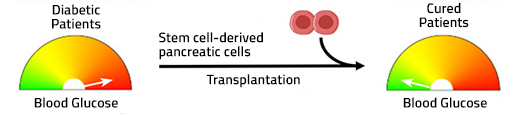
Stem cell treatment can help regenerate your pancreatic gland, so that it regains the ability to produce insulin on its own.
Our partnering clinic from Kharkov (Ukraine) has determined that treatment with stem cells taken from blood of patients with diabetes mellitus type puts an end to the need to take insulin shots or decreases it by 80% (or more) within 6 months.
The use of mesenchymal stem cells in treatment of patients with diabetes type 2 leads to regeneration and creation of new blood vessels, optimization of immune composition and boosting of pancreatic transcription and vascular growth factors.
Our partnering clinic has developed its’ own ‘’Autologous Stem Cell Therapy’’ Program for the treatment of various ailments.
During stem-cell treatment, a diabetic patient receives between 5 and 25 millions of stem cells. The quantity of injected regenerated cells compensates for all the cells damaged or lost over the last 15-20 years, so that the cells become restored or regenerated.
Thanks to such an approach, i.e. transplantation of the indicated quantity of regenerated stem cells, the organ is rejuvenated and recuperated, now having active new cells that are replacing the old and damaged ones.
Diabetes mellitus is a chronic disease, developing due to an absolute or relative pancreatic hormone insufficiency. This insufficiency causes blood glucose level to rise, leading to hyperglycemia, which is dangerous for almost all of the bodily organs.
There are 2 types of diabetes:
In diabetes type 1, the cells in charge of production of insulin die off, so that insulin is not being produced in sufficient quantities.
In diabetes type 2, insulin is being produced, though in insufficient quantity, and/or bodily sensitivity to it decreases.
Treatment methods to date are only decreasing hyperglicemia or temporarily improving sensitivity to insulin in the targeted tissues, but they are not capable of preventing progressive disfunctioning of β-cells, not to mention the fact that such treatment is significantly decreasing quality of patient’s life.
Today, thanks to the innovative and absolutely safe therapy by autologous (own) mesenchymal stem cells (auto MSC), you have a real chance of eliminating the cause and thus overcoming the disease and its’ complications!
STEM-CELL THERAPY OF DIABETES:
Stem cells posess a unique property – i.e. ability transform into any type of cells, including the ones of the endoderm:
- Therapy is highly effective in the case of diabetes type 1: stem cells are being transformed into pancreatic cells, in charge of insulin production, while damaged tissues are being repaired. The patient has real chances of becoming independent from insulin shots or at least halving the daily dose thereof;
- In diabetes type 2, stem cells are being grown from auto MSC and then transplanted. Patients do not need immunosuppressive drugs or insulin shots anymore.
THE RESULT OF THERAPY:
Pancreatic functioning is normalized. Stem-cell therapy strengthens imune and restores cardiovascular systems: this is of extreme importance for diabetic patients, because the disease is often complicated by serious circulatory impairment, especially in small capillaries of the foot.
The Advantages Of Stem-Cell Therapy Of Diabetes
Stem-cell therapy is not only making you feel better. It fundamentally solves your problem!
- It provides maximum effectiveness.
- Clinically proven safety: there is no risk of immune-reaction-caused rejection and other side effects.
- It decreases the need to inject insulin also it improves quality of life.
General results of the treatment of diabetes:
- significant improvement of pancreatic function, due to the restoring of its’ tissue;
- metabolic regulation of insulin production;
- decreasing of blood-sugar levels;
- positive effect on the functioning of other organs;
- decreased need to inject insulin;
- avoidance of developing diabetic foot;
- normalized production of carbohydrates;
- healing of trophic injuries and avoidance of foot amputations due to diabetic foot;
- avoidance of diabetic retinopathy;
- avoidance of diabetic angiopathy;
- boosting of the immune system and increased resistance to infection;
- stops the destroying of soft tissues in limbs.

Choose life without limitations!
CROHN’S DISEASE
In patients with this autoimmune bowel disease, the immune system does not ‘’recognize’’ own bowels and digestive track and attacks and destroys them.
Patients with Crohn’s disease suffer numerous problems, such as cramps, diarrhea, constipation, gastrointestinal bleeding, extreme fatigue, while complications caused by the disease can be extremely difficult to treat and significantly shorten patients’ lifespan.
Until recently Crohn’s disease was treated by prescribing immunosuppressive medications, which create numerous risks, as they deprive patient’s body of natural defense mechanisms, making it susceptible to various infections.
Of all the existing worldwide medical research about the very complex treatment of Crohn’s disease, the best results were obtained by an absolutely new approach, using autologous (patient’s own) mesenchymal stem-cells (MSCs).
As early as the first day from intravenous injection of autologous progenitor stem cells, these cells are being recruited and moving to distal anatomical tissues affected or damaged by a disease (this migration of cells is known as chemotaxis).
They begin to proliferate and , in doing so, they replace the damaged or dead cells, gradually repairing the affected tissues.
Their strong anti-inflammatory properties are key to the process of healing ulcerated bowel walls, so that this potent, regenerative processes speed up the overall healing and restoring of tissues’ functions.
Futhermore, autologous mesenchymal stems exert dual positive effect on patient’s immune status – firstly by mitigating the autoimmune reaction to own bowel tissue cells, as well as by resetting the patient’s immune system. This is of crucial importance when it comes to Crohn’s disease!
One of the very important effects of the decreased inflammation and the consequent regeneration of bowel tissues is gradual alleviation of pain.
This regenerative method of using autologous mesenchymal stem cells (MSCs) in treatment of Crohn’s disease is a new direction in medical practice, as it enables the establishing of external biocontrol, which is simultaneously introducing the two mechanisms of adaptation into the process of tissue regeneration – the urgent and the long-term one.
This helps the restoring of organs and bodily functions. The achieved, desired outcome of the therapy is a transition from acute phase of the disease into a prolonged phase of remission.
Efficient and effective, and yet without any side effects and with extremely rare contraindications, mesenchymal-stem-cells therapy is a promising and safe method of treating Crohn’s disease.
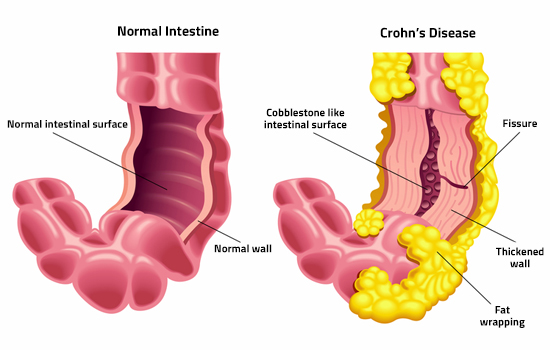
Regardless of the form of manifestation of Crohn’s disease, this therapy is enabling regeneration of bowels, prolonging the time of remission, calming and smoothening of exacerbations. The risk of complications being drastically mitigated, the quality of patient’s life is significantly improved.
MULTIPLE SCLEROSIS
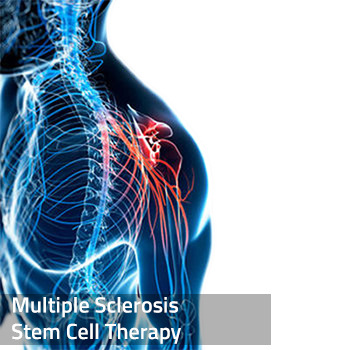
How do stem cells help patients with Multiple Sclerosis?
The first phase involves the alleviation of immune system’s anomaly, by means of insertion of fresh stem cells taken from the patient’s blood or bone marrow.
This regenerates the immune system so that it no longer attacks the body’s own cells.
It is important to note that patients who received stem-cell therapy did not continue taking MS drugs afterwards. Furthermore, research study has shown that currently available drugs for multiple sclerosis have a lower success rate compared to stem-cell therapy.
According to a study published on the website www.neurology.org, stem cell transplantation proved to be more effective in patients with multiple sclerosis than medication with Mythoxantrone.
In the study, a multidisciplinary team of researchers examined a group of 21 patients with multiple sclerosis, whose disability rates had been increasing over the years. The effects of stem-cell transplantation have been compared to the effects of Mythoxantrone.
Participants in the study were moderately disabled. They walked with the help of aids, such as sticks, and their average age was 36.
In the second phase, after the doctors determined that immunosuppression from the first phase of the study had been achieved, 12 participants received Mythoxantrone therapy, while 9 patients received an intravenous transplant of their own bone-marrow stem cells.
Over the four years of observation, the course of the disease was significantly milder in participants who received stem-cell therapy, compared to the group of participants who received Mythoxantrone.
Fewer new lesions occured in 80% of the patients in the stem-cell treated group, with an an average of 2.5 new lesions per participant, as compared with the control (i.e. Mythoxantrone) group, with an average of 8 new lesions per participant.
Stem-cell therapy restores the immune system. Given the results of the study, it is possible to draw a conclusion that stem-cell therapy can drastically affect the course of the disease.
STEM CELLS IN SPORTS MEDICINE
Stem cells have helped many top athletes heal sports injuries and get back into the game.
The days when the careers of a top athletes ended prematurely due to injury are becoming a thing of the past.
As nowadays the most prominent sports stars are increasingly opting for regenerative stem-cell treatment over the classical surgical treatment of career-threatening serious injuries.
Tennis legend Rafael Nadal, football player Cristiano Ronaldo, basketball players Pau Gasol, Kobe Bryant and legendary NFL quarterback Peyton Manning all belong to the circle of famous athletes who have been successfully treated with stem cells.
Why Do Top Professional Athletes Opt for Stem Cell Therapy?
The most important priority for every injured professional athlete is to recover and return to the game as soon as possible.
However, sports injuries usually take long time to heal and many of them never heal completely. Therapeutic options usually include masking the pain by injecting corticosteroids, surgical procedure, or long-term physical therapy, which usually does not treat the root cause of the problem.
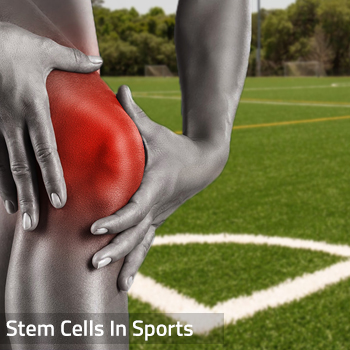
Stem-cell therapy provides an effective alternative to painful surgical treatments that require long-term recovery.
It also provides non-surgical, minimally invasive, safe and effective treatment of the injury, without the need for painful long-term rehabilitation.
A patient who opts for this, advanced type of treatment for his injuries is also spared from the risks related to surgical procedures, such as postoperative thrombosis and infection.
Rafael Nadal: Former world’s number one, Rafael Nadal, received his first stem-cell therapy for long-term knee pain (which had forced him to take a seven-month leave to recover from an injury at the age of 31, in 2013.). The following year, he received the same treatment for his injured back, a common tennis injury. Stem-cell treatment had caused anti-inflammatory effects, helping the restoring and healing of the injured cartilage.
Cristiano Ronaldo: Also a former star of Real Madrid, now playing for Juventus, has undergone stem-cell treatment to recover from a severe muscle injury that he suffered last year, caused by the excessive stretching and tearing of muscle fibers and tendons.
Pau Gasol: During the 2013 season, this leading Spanish basketball player suffered from such a severe knee pain that that he had to use crutches.
Pau Gasol also received stem-cell therapy, having stem cells injected into both of his knees, as part of a therapy for a damage to tendons, caused by the degenerative process of tendonosis. In fact, the stem-cell therapy helped regeneration of the healthy tissues in the affected regions.
Peyton Manning: The legendary NFL quarterback traveled to Europe in 2011, where he received stem-cell therapy for a problem with a neck injury, caused by a popped-out intervertebral disc. After several surgeries that he underwent in the same year, in an effort to recover, Manning received stem-cell therapy, which helped stimulate the regeneration of damaged nerves in the neck area.
Kobe Bryant: The five-times NBA champion also received stem-cell treatment in 2013., in order to treat his arthritic right-knee and reduce the inflammatory response that had been causing him severe pain. After undergoing a successful stem-cell therapy, Bryant returned to the field rejuvenated, to enjoy one of his best seasons ever.
OPHTALMOLOGY STEM-CELL TREATMENT
Stem-cell therapy was first approved for wide usage for medical purposes in European Union. Stem cells can become any type of bodily tissue, thus creating space for large medical breakthroughs.
With the aid of stem cells, incredible results have been achieved in treatment of most complicated ophthalmic diseases, such as: glaucoma, macular degeneration, tapetoretinal abiotrophy, diabetic retinopathy, myopia, retinal degeneration, degenerative lesions of the cornea, eye atrophy et al.
Advancement were also made in treatment of burns to the eye and other eye injuries. It is a tem-cell therapy (Holoclar) used in treatment of rare ophtalmic conditions leading to blindness, which is successfu l on almost 80% of the cases.
The European Medical Agency (EMA) states that this represents ’’a serious step forward’’ for this area of research.
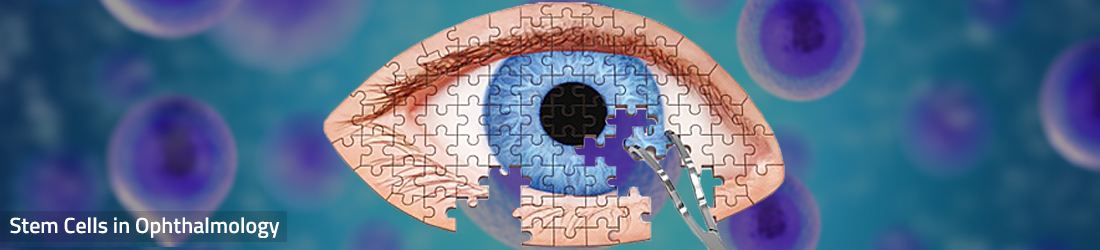
Some people, after being burnt or experiencing chemical lesions, do not have enough limbal stem cells in the eye to support regeneration and completely restore the cornea. Sometimes, this can lead to blindness. Specialized centers and clinics carrying out research are developing a technique that would replace lost stem cells.
Small sample of the remaining stem cells is being taken, grown and multiplied in laboratory and then returned to their place on the surface of the eye. The approval granted by the EMA is creating a possibility of using this therapy outside of the scope of the above-mentioned research, as well as its’ adapting to each and every individual case, so that it can be widely applicable.
STEM-CELL TREATMENT IN ORTHOPEDICS
Orthopedics was one of the first branches of medicine endeavoring to preserve and improve patients’ quality of live by using stem-cells’ biological potential.
Regenerative orthopedics has made recent therapeutic advancements, to a phase where it uses not only adult stem cells from bone marrow and fat tissue, but various blood plasma derivatives (the so-called biological carriers), as well, which enable application of stem cells in complex reconstructions of bone and cartilage tissues defects, ligament repair etc.
Stem cells are most often used in orthopedics for treatment of injuries to muscles, tendons, ligaments and bones, of chronical overloading of the skeleton and of the tendon, which is the the most difficult to treat. Poorly healed fractures and degenerative joint damage are also frequently treated.
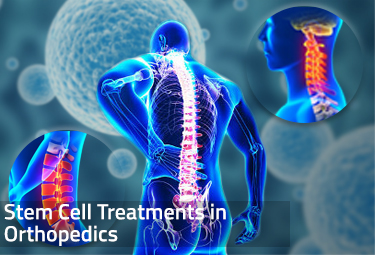
If you suffer from a sports injury and you do not want to undergo surgery (or had an intervention that caused a certain damage) and you wish to accelerate your recovery, stem-cell treatment may be the right therapeutic choice.
Due to agings, chronic pain in muscles and joints, as well as various degenerative processes in bones are rather common in adults. Nowadays, with the aid of stem-cell treatment, there is a new possibility for patients that seek treatment and alleviation of pain related to joint degeneration or injuries
Artificial joints and implants made of increasingly sophisticated (though of limited duration) materials are successfully used in orthopedic therapy, so that there is no doubt that its’ future will be marked by regenerative medicine, i.e. stem-cell treatment.
What Is Treated By Stem-Cells In Orthopedics?
Stem-cell therapy is used in treatment of painful joints, as well as following surgical procedures and methods of treatment. Knees, shoulders, feet, ankles and hips are most treated most often.
Injuries to highly sensitive regions, such as spine, are also successfully treated by stem cells. Pathological conditions in orthopedic surgery which can be treated by stem cells are numerous, such as joint ossification, damage to ligaments and muscle, pathological status of the spine (damage to spinal discs, osteoporosis, pathological fractures), bone cysts, poorly healed fractures and other injuries. There are other orthopedic conditions where bone-marrow stem cells can be used, such as poorly healed fractures and certain conditions of the spine.
Application of stem cells in orthopedic represents for many patients a quicker and better recovery, postponing of bigger surgical interventions and decreasing of disability.
Stem cells help patients be more mobile. This is specially important for patients to whom standard treatment does not help much, as well as in the cases where patients wish to decrease the level of drug dependency.
Bearing in mind that stem cells quickly and effectively heal injuries, stem-cell therapy is especially popular among sportsmen.

Who comes to us for stem-cell therapy? Stem cell therapy is therapy of choice for patients who:
- know that their hip, knee, shoulder or hock need surgery – usually a replacement, but who, for various reasons to not want to have metal prosthesis implanted in their body
- fear possible complications of hip or knee replacement surgery
- for various, objective reasons and increased risks cannot undergo anesthesia, i.e. joint replacement surgery
- want to protect their joint from further damage and postpone the need to undergo surgery
- are professionally or recreationally engaged in sports.
Advantages of stem-cell therapy
Stem-cell therapy is a simple procedure, by which invasive surgeries and their possible serious complications are avoided.
Being autologous, stem cells do not cause rejections or allergic reactions, which is a rather significant advantage of the treatment.
Risks and potential complications – Risks and potential complications are minimal when therapy is applied by a trained professional, licensed and specialized in regenerative medicine. The procedure is under scrutinous control of the authorized Ukrainian state institutions, under the surveillance of the most prestigious Kharkov State University for natural sciences. The University of Kharkov, unlike universities in other countries worldwide, has its’ own cathedra for regenerative medicine for already 20 years. The procedure is very safe for the patients, with an extremely low rate of unwanted reactions. So far, in our practice we have never encountered any complication or unwanted reaction.
The procedure itself is very safe for patients, with an extremely low possible rate of adverse reactions that we have not recorded in our practice so far, no complications or adverse reactions so far.
ANTI-AGING TREATMENT
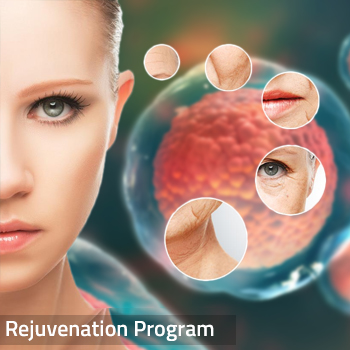
Stem-cell treatment is, in many cases, enabling the achieving of results that are otherwise unattainable when using traditional methods of treatment.
Over the past six years, we have successfully cured more than 500 patients who were suffering from various ailments, using the rejuvenation program based on autologous stem cells activation method.
Our patients were citizens of Russia, USA, Austria, United Arab Emirates, Australia and other countries.
Stem cells are not only helping in terms of prolonging patients’ lives, they are also contributing to a significant improvement of their quality of life, even in the cases of oncological patients and other patients suffering from incurable diseases – those who had already lost every hope of healing.
Rejuvenation program
Autologous-stem-cell rejuvenation program is contributing to the improvement of general physical condition.
Improved physical condition manifests itself in a decreasing of fatigue, as well as in improved walking, posture and general working ability. Significant positive effects are also noticed when it comes to short-term memory, efficiency of decision-making process, as well as in an improved emotional balance and quality of sleep.
Regeneration of skin layers subjected to stem-cell treatment manifests itself in obvious positive cosmetic effects (improved skin color, decreased number and depth of wrinkles, non-surgical tightening of the face and neck).
Patients who opt for rejuvenation usually belong to one of the following three groups:
- patients without concomitant diseases
- patients with concomitant diseases, either related to age or with milder forms of somatic diseases
- elderly patients, with difficult forms of concomitant diseases
Group 1: “Healthy” patients – which are divided into three sub-groups, expressing characteristic syndromes::
a) The “Exhausted horse” syndrome – working ability and quality of life of these patients have been abruptly worsened due to chronic stress and overexhaustion.
Patients from this sub-group are usually top managers and managers who are taking important decisions and bearing great responsibility. These people are often on business trips, spend too many hours working on computers et sim..
b) The “Baked apple” syndrome – patients from this sub-group are usually skinny people, with wrinkled faces, who possess significant working ability and dedicate much time to sport. If you take a closer look at their faces, you will notice that their skin is not healthy and that they have wrinkles that should not be there at their age.
Several months after the stem-cell rejuvenation their wrinkles are ironed out, their eyes have a healthy, shiny glow, their gait is firm and flexible and they have also gained a few pounds, due to increased muscular mass. Shortly, they are in an ideal shape.
c) “Sun-burned” syndrome – these patients usually dedicaalte significant amount of time to fitness and recreational activities and they look healthy and suntanned.
However, their psychological drivers are making them dedicate a significant amount of time to their physical health and remaining in an ideal shape. They are usually asthenic, they may even have frequent asthenic-neurological manifestations and are frequently prone to the abuse of alcohol and sedatives.
The base levels of endorphins in the brains of these patients are, in general, sufficiently high. Their reward systems are, however, permanently in the state of ‘’potential hunger’’. As they need to constantly be achieving inner comfort and bliss, this creates a real threat in terms of developing various dependencies and an increased tolerance to harmful substances.
The Program of rejuvenation of ‘’healthy’’ patients has the most outstanding therapeutic effects.
The visual, external effects are achieved due to the internal changes and an improved functioning of inner organs and systems.
As early as after the first week of treatment, patients are noticing decreased fatigue, normalized sleeping pattern, improved appetite, improved quality and speed of cognitive processes, as well as an inflow of positive emotions.
Some patients notice that they are better at distinguishing colors, tastes and smells. They feel like everything around them has suddenly been filled with freshness and odor.
Many of them notice improved creative abilities and feel energized from within.
One year after the stem-cell treatment, patients’ working ability is increased by 50-300%. Arterial circulation is normalized, as well as the rhythm and frequency of heart contractions.
When it comes to biochemical analyses, one notices the 20-70% increasing of the level of testosterone, while levels of cholesterol and low-density lipoprotein fractions are being decreased.
Improvements in the immune status are manifested in increased levels of lymphocytes, T-lymphocytes, along with a decreasing of CD95 lymphocytes.
Group 2- patients with concomitant diseases related to aging
This group includes patients with ailments such as:
Ischemic heart disease, arterial hypertension, diabetes, chronic bronchitis, obesity, arthritis (including rheumatoid arthritis), functional disorders of digestive tract etc.
As a general rule, patients above 50 years of age belong to this group. Our medical practice is indicative of the fact that this is the most numerous group of patients.
In this group of patients, the stem-cell rejuvenation program (anti-aging treatment) has a very outstanding therapeutic effect.